
Dental Treatment inTurkey
If you are comparing dental treatment in Turkey from the UK, the main questions are usually practical ones: what treatment do I actually need, how many clinic days should I plan for, can it be done in one trip, and what happens when I get home? This page is built to answer those planning questions before you book flights.
Start with clear information: send recent photos, any panoramic X-ray or CBCT you already have, and a short note on your goal. If you already know the route you want to research, go straight to dental implants in Turkey, veneers in Turkey, zirconia crowns, or a full smile makeover.
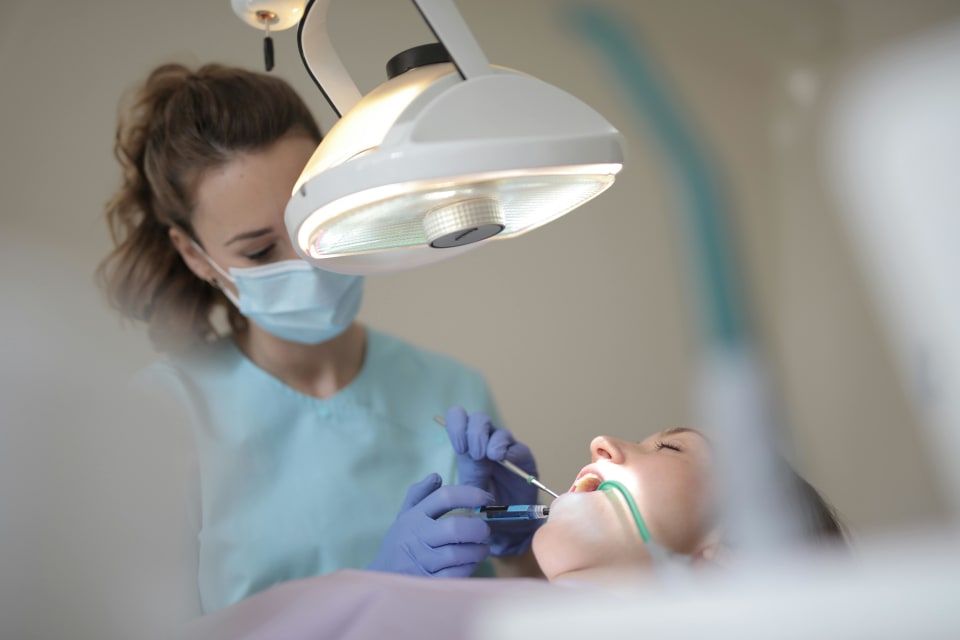
How Smile Center Health Supports Your Treatment Journey
Smile Center Health is authorised by the Republic of Turkey Ministry of Health as a medical travel organization that helps UK patients plan and coordinate treatment journeys with independent partner clinics. Our support includes case coordination, pre-travel planning, accommodation options, airport transfers, and dedicated patient advisor guidance from first contact to follow-up planning.
Final diagnosis, treatment scope, consent, and procedure decisions are confirmed by the treating dentist after in-clinic examination and imaging. This gives you a clear pathway: coordinated travel support from Smile Center Health and clinical decision-making from the treating dental team.
Before you commit, make sure you know who is coordinating your case, which clinic will treat you, what aftercare route applies, and which documents you will receive before you return home. The GDC advises patients considering treatment abroad to check credentials, treatment scope, aftercare arrangements, complaints routes, and insurance position in advance. GDC advice for treatment abroad
Key Planning Facts Before You Book
Most patients do better when they plan the trip around working clinic days, not just calendar days. In our coordination workflow, a consultation-only visit can sometimes fit into 1 day; if implant surgery may begin on that trip, 4–5 days is usually safer; and full-mouth cases often need at least 4 full working clinic days. If your stay includes a Sunday, add extra time rather than assuming every day is a treatment day.
Many veneer- or crown-based smile design cases can fit into a single working week, but implant and full-mouth rehabilitation cases are often staged. Healing can involve a short soft-tissue recovery period followed by a longer integration phase before final restorations are fitted, so the final timeline should be confirmed after imaging and clinical assessment.
Before you travel, tell your regular UK dentist what you are planning. Sharing that plan early makes it easier to discuss your dental history, medication, and follow-up questions if you need support when you return.
As a practical travel rule, patients normally book their own flights, while any hotel or airport-transfer support depends on the confirmed treatment plan rather than a generic package description. If possible, avoid a Saturday arrival for a short stay, because losing Sunday as a non-clinic day can compress the treatment schedule.

Aftercare, Follow-Up and the Documents to Keep
Aftercare should be clarified before you travel, not after you return home. Ask what follow-up is included, who you should contact after treatment, whether written guarantee terms apply, and whether extra flights, hotel stays, or remedial work would be your responsibility if further attention is needed.
UK follow-up is not always straightforward, so leave Turkey with the records, instructions, and contact routes you would need if your regular dentist later asks for documentation or imaging.
Before you travel home, ask to leave with:
- a written treatment summary;
- copies of key imaging such as your panoramic X-ray (OPG) or CBCT, where relevant;
- implant brand/component details, if implants were placed;
- material or lab details for crowns/veneers, where relevant;
- written hygiene and medication instructions;
- your invoices, receipts, and consent documents;
- written guarantee terms and exclusions;
- official contact details for non-urgent and urgent follow-up.
For non-urgent concerns after you return, contact us in writing with photos or scans before arranging corrective work elsewhere, because written guarantee terms can depend on early notification and authorised follow-up. If you develop uncontrolled bleeding, significant swelling, severe pain, fever, or symptoms that are worsening, seek urgent local dental or medical care first. In England, urgent dental access can be routed through NHS 111 where appropriate, and uncontrolled post-procedure bleeding may require emergency assessment.
If you are in an implant-healing phase and cannot return immediately for review, our standard process can often use a recent local OPG or CBCT for remote review by the partner clinic.

If you develop uncontrolled bleeding, significant swelling, severe pain, fever, or worsening symptoms, seek urgent local dental or medical care first. In England, urgent dental access is routed through NHS 111.
For non-urgent concerns, contact us in writing with photos or scans before arranging corrective work elsewhere. Written guarantee terms may depend on early notification and authorised follow-up.
What Changes the Cost of Dental Treatment in Turkey?
The honest answer is that your total cost depends more on scope than on a headline “per tooth” price.
- Number of teeth involved
- Whether the case is cosmetic or restorative
- Whether implants or full-mouth work are involved
- Material used
- Implant brand, if applicable
- Temporary teeth during treatment
- Extra procedures such as root canal, grafting, or sinus lift
A remote quote is useful for planning, but the final clinical scope is confirmed after examination and imaging in Turkey. If something changes after that assessment, the reason, the updated cost, and the timeline should be explained clearly and agreed with you before anything extra is done.
Current Smile Center Health pricing workflow is designed to keep that route clear: written quotes are reviewed first, then the treating dentist confirms the final clinical scope in clinic. Flights are self-booked, accommodation and transfer support depend on the confirmed treatment plan, and our current payment policy shows cash prices by default; if you prefer card or bank transfer, additional VAT may apply under the current policy. For quicker budgeting, use dental prices, dental implant prices, veneer prices, and All-on-4 prices.
Under our current workflow, no treatment payment is requested before the in-clinic consultation and your approval, and implant cases are usually settled per visit rather than as a single one-off payment.

Explore the Right Treatment, Price and Planning Route
If you already know the treatment type you want to compare, jump straight to the relevant page. If you are still working out budget and route, start with pricing or planning guides.
Treatments
Pricing
Planning
Trust Signals That Matter More Than Marketing
The strongest trust signals in dental travel are not dramatic promises. They are a clear facilitator boundary, a named treating clinic, a written treatment plan, documented consent, copies of your records, realistic aftercare instructions, and official contact routes you can actually use. Careful patients normally verify exactly these points before committing, rather than relying on outcome claims or before-and-after marketing alone.
Where partner-clinic guarantees apply, they should be presented as written terms with conditions and exclusions, not as blanket outcome promises. Current partner-clinic policy documents set out cover periods for certain restorations and implant components, but validity depends on factors such as full payment, reporting concerns promptly in writing, routine care, and following the documented return timetable.
For that reason, this page should reassure careful patients with process clarity: who coordinates, who treats, when the plan becomes final, what documents you receive, and how follow-up works once you are back in the UK.
What to Verify
- Clear facilitator boundary
- Named treating clinic
- Written treatment plan
- Documented consent
- Copies of your records
- Realistic aftercare terms
- Official contact routes
- Written guarantee conditions
If needed, official company and partner-clinic verification documents can be shared through the appropriate channels.